
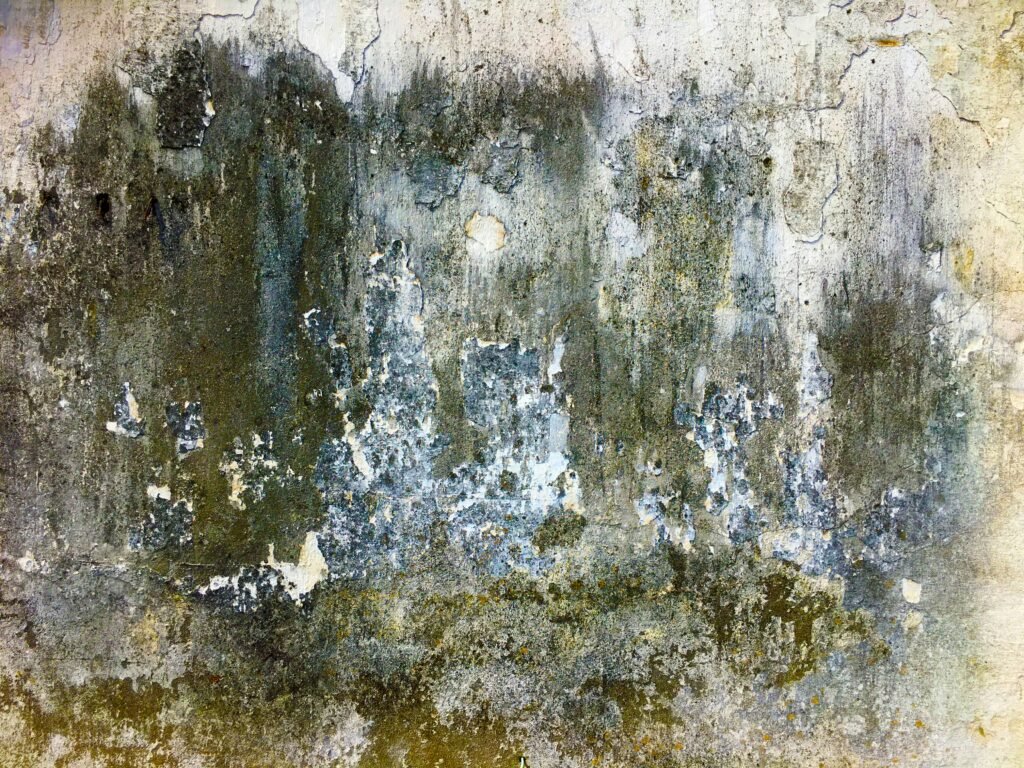
The beautiful sheen that appears on timeworn surfaces. Glimmering of green, blue, white, and bronze. The colors that could only appear on a surface after years of oxidation. This is Patina.
Patina is the surface appearance of something grown beautiful with age or use.
Imagine walking into a museum adorned with bronze and gold picture frames, antique furniture, candles, and iron doors marked with the beauty of time. The face of oxidation accumulated over years of exposure to natural elements. You gaze at every minuscule detail of these artifacts, and you wonder where they have been and the life that each element has lived.
Elements and art that have lived a full life show the signs of wisdom and beauty. Patina on the surface of leather, iron, and stone shows a deep character of experience. Patina is not for the innocent eye, but it is for those who find beauty in wisdom and have a deep care for those who have survived the elements of life.
In The Seven Lamps of Architecture, the eminent 19th-century polymath John Ruskin observed, “The greatest glory of a building is not in its stones, nor in its gold. Its glory is in its Age, and in that deep sense of voicefulness, of stern watching, of mysterious sympathy…which we feel in walls that have long been washed by passing waves of humanity.”
https://www.architecturaldigest.com/gallery/neal-beckstedt-lovingly-restores-his-1890-sag-harbor-home?

How Patina is Formed on Surfaces
Patina begins with a natural oxidation process on surfaces such as iron, bronze and copper. A chemical reaction between the metal and natural elements such as oxygen, water, and carbon dioxide create a colored layer on the surface of these metals. The color is timeworn and beautiful, showing the depths of character.
These beautiful colors are a result of minerals that have accumulated on the surfaces of metals. However, the colors have a purpose of protection beyond the beauty of color. Patina protects the delicate metal as it is exposed to the natural elements.
Metal patina is appreciated on sculptures, jewelry. and unique decorative items that incorporate a story using antique elements. Some of the most infamous sculptures that are timeworn with patina are the Statue of Liberty, Michelangelo’s “David”, and Aguste Rodin’s “The Thinker.”
Appreciating Patina in Everyday Life
Learning how to appreciate Patina is not just for the design connoisseurs. Patina is all around us. It may show up on the stone wall that you pass on your way to work every day, or a leather bag that you have had for the past twenty years. These items have stories and beauty is woven through each mark and “imperfection.”
Appreciating Patina is learning that beauty is not found in what is new and perfect, but in what has been weathered by time. We can find a new appreciation for the artifacts that we have found to be unusual and imperfect, appreciating them simply for what they are and what they have endured.
We find more awe and wonder in the building that have survived fires, natural disasters, and age. Those that have beat the odds and found redemption simply for just surviving. Finding this beautiful appreciation is a skill that we can all practice to develop our eye for unusual beauty.
Designing with Patina
Designing an interior space with elements of timeworn beauty cannot be rushed. It takes intentional consideration to see imperfection as beauty. Choosing beautiful metals, artwork, and leather will add character to a space that was once void of a story.
Inspiration can be found in ancient churches, art museums, and even in mansions from the early 1900’s. Finding appreciation in the elements that are all around us opens a whole new world that we failed to recognize. Beauty is everywhere we look and the items that catch our eye with their mysterious imperfections tell the greatest story.
Next time that go to design a room, or just spiff up a little area of your home, try incorporating a bit of Patina. A little bit of time-worn beauty can add the perfect amount of depth to your designs.
References:
https://labastille.com/the-marvel-of-metal-patina-understanding-the-process-and-beauty